
Dive Deeper – Biblical and Theological Teaching Kits:
The Lay Academic
-

The Division in the Church of Romans
Although it doesn’t include the founders of this particular church,[1] the book of Acts highlights that “Jews from Rome were among those who saw the pouring out of the Spirit on the day of Pentecost.”[2] It can be assumed that these Jews made their way back to Rome and established a church there.[3] However, it…
-

What was the Nakedness of Noah?
There are three interpretations surrounding the nakedness of Noah, and the sin of Ham. Generally, the first being that Ham sinned by looking upon his father’s naked body. Essentially this is an act of voyeurism. The second view is purely Rabbinical in nature, and a “number of midrashim say the offense involved the castration of…
-

Who is All Israel?
Introduction Ever since the dawn of the church, tensions regarding law and grace have been the center of attention, and the 21st-century church is just as susceptible as the church was in 1st-century Rome. Once a Pharisee (Acts 23:6), the Apostle Paul knew all too well the struggle between obedience and freedom from the law,…
-
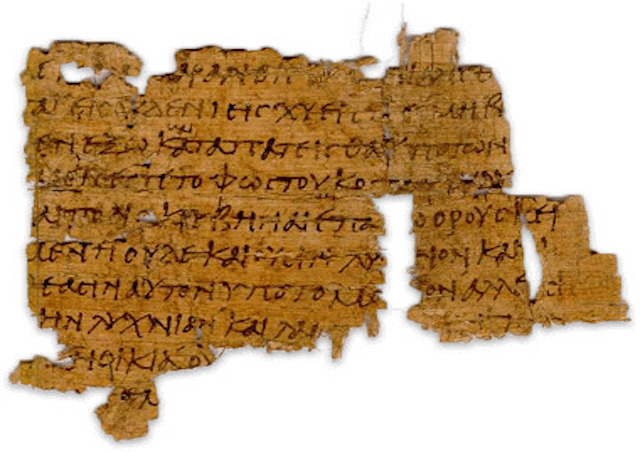
Why Was the New Testament Created?
The Christian life is grounded on the Biblical text. Furthermore, that life is fundamental to the teachings of Jesus Christ and those who declared His message throughout the known world. Bruce M. Metzger says that the term canon “used with reference to the Bible means the collection of books which are received as divinely inspired…
-
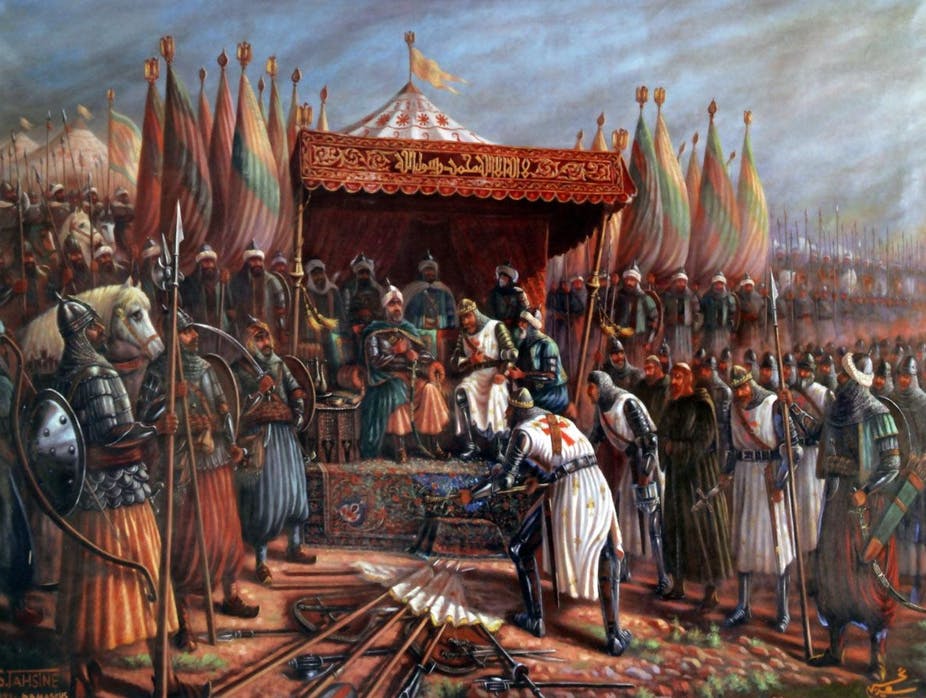
Papal Libertarianism and the Crusades
Often times the Crusades are peripherally summated to be in stark contrast to Christianity’s theological paradigm. The command to love one’s neighbor can be ascertained as a direct interruption of this principle ideology, however, for the Christian plight against Islam and its encroachment upon the Holy Land of Israel, and likewise various city states throughout…
-

The Greater Good
The circumstances to whether one should be tortured or not for the sake of the greater good is something that could weigh heavily on anyone’s mind. Under the utilitarian view, the best decision would be to torture the terrorist. This is justifiable under this view because torturing the terrorist would inevitably yield crucial information benefiting…
-

The Unknown God
Scripture is relatively vague about whether people who have not heard the gospel will be saved in the afterlife from eternal torment, et. al. “The Bible does not teach that God will judge a person for rejecting Christ if he has not heard of Christ.”[1] In contrast, “the Bible teaches clearly that God’s judgment is…
-
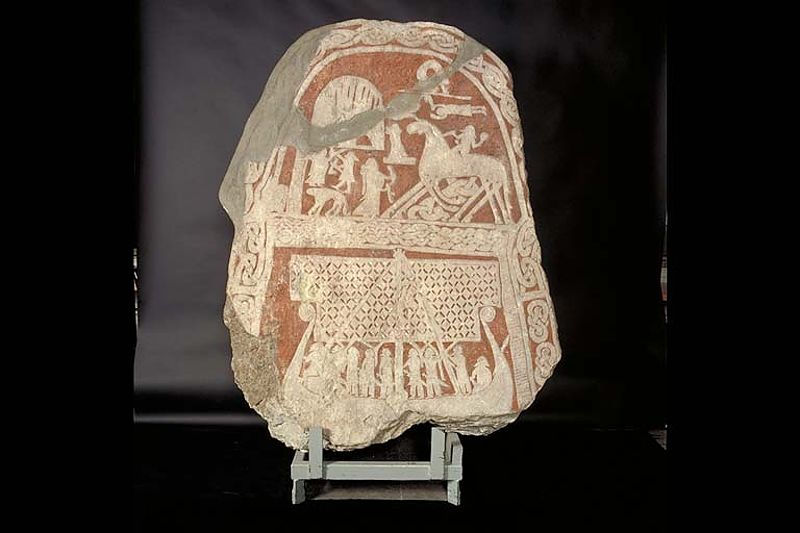
Religious Themes in Ancient Art
Art allows the past the capacity to tell a story for those in the future. Those stories give the audience a bird’s eye view into an ancient culture, deepening one’s understanding of it. In the ancient world, people created art to highlight their cultural activities, in which religion played a very important part in defining…
-

The Narrative and Apocalyptic Styles of Daniel 3:25 and 7:13
The Book of Daniel is replete with both narrative and apocalyptic passages, and how they relate to the overall message of Daniel will inevitably connect to the soteriological framework of the Biblical message. Daniel, a Jewish exile in Babylon who was elevated to positions under governments like Nebuchadnezzar’s and Darius the Mede, chronicled his ascension…
-

The Christian’s Role in Cultural Change
As the ebb and flow of cultures change, the role of the Christian should remain constant. To proclaim the good news to the nations about the risen Christ. But how does the presence of the Christian outwardly affect a culture that changes rapidly in polarized environments where Christian identity is often convoluted with political ideology? …
-

The Virtuous Life
Virtuous behavior is intrinsic to what is morally good, and in antiquity, the dichotomy between the virtuous life for Christian and stoic cultures differ fundamentally. For stoicism, virtuous behavior provided an existential reward through the lens of oneself or others. Christianity contributed to pragmatic piety and veneration of One true God, the Father, Son and Holy Spirit,…
-
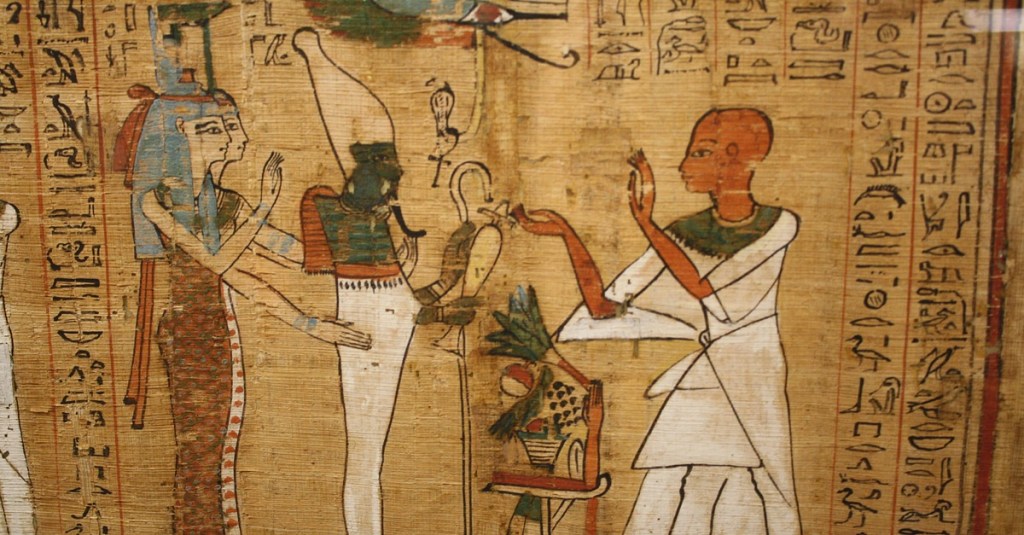
The Egyptian Book of the Dead and Psalm 8
Because of cultural proximity, thematic or etymological overlap is bound to occur in ancient literature. Yet, at the same time, overlap is textual evidence in ancient polemics too. Nevertheless, Israelite monotheism stands in stark contrast to neighboring religious cultures, whether it had borrowed, was drawn from, or had argued against the ultimate source of morality,…
 Ken G. Palmer